Faculty Expert
Last month, Puerto Rican music star Bad Bunny made history twice: he became the first artist to win an Album of the Year Grammy for a Spanish-language album, and he performed the Super Bowl’s first primarily non-English halftime show. While these moments pushed the nation’s linguistic diversity into the spotlight, teachers have been navigating multilingual classrooms for years.
“Anybody’s classroom these days inevitably is a multilingual classroom,” says Professor Betsy Rymes, chair of Penn GSE’s Educational Linguistics Division and an expert in multilingual education. “Even in the most homogeneously English-speaking classroom you can dream up, students are multilingual in many ways: they will inevitably know bits and pieces of other languages (‘comprende?’) and certainly there will be multiple ‘Englishes’ (‘LOL’).”
From students speaking English as a second language to the rich diversity of English dialects and slang across the U.S., every classroom has its own unique linguistic tapestry.
Since “we need to prepare kids for the world that they’re going to be entering into,” Rymes says, teaching to a monolingual norm does a disservice to students.
With that in mind, here are a few of her tips for teaching multilingual classrooms:
Build your own classroom dictionary
While traditional hardcopy dictionaries feel outdated, Rymes encourages teachers to create a classroom dictionary with their students, reflecting the vocabulary they actually use.
Each classroom is a unique linguistic ecosystem made up of words from different languages spoken by students, local vernacular, pop culture and internet slang, acronyms, and even portmanteaus.
Ask students to brainstorm words they use that aren’t in standard English language dictionaries. Students then create a slide or page for each word in a resource like Google Slides or a print notebook including the word, definition, an example sentence, synonyms, and a picture. This builds community and sparks discussion about how and why students use these words, where words come from, and how they reflect their identities.
“As a teacher, you’ll learn many new words that students know, and the students will learn many new words from each other,” Rymes says. “Once you’ve compiled at least one word from each student, talk about a word a day from the growing classroom dictionary: Who knows it? What does it mean? Who would you use it with? Could I use that word? These conversations model the dynamic nature of language in the real world.”
Incorporate your students’ linguistic backgrounds with mini-inquiry projects
Invite students to interview their families about words they use at home and bring new potential entries to the dictionary. These word discoveries expand the class’s shared linguistic map.
Kinship terms (like aunt and uncle, grandma and grandpa) are especially rich. For example, one of Bad Bunny’s hit songs, “Tití Me Preguntó” includes a uniquely Puerto Rican word for “aunt” (‘tití’). Ask students what they call their mother’s sister (Tití? Tía? Aunt? Auntie? Something else?). But don’t stop there! How about uncles, brothers, sisters, cousins? Together, create multilingual kinship charts with both formal and informal terms.
Then, extend this discussion to “fictive” kinship terms. Ask students how often they use kin terms for people who are not “blood” relatives. Do they call their friends “bro” or “cuz,” a family friend “auntie,” or their girlfriends “sisters”? Discuss what these choices signal. What’s the difference between saying “Aunt” or “Auntie,” “Tía” or “Tití,” “Bro” or “Bruh” or even “Brah”? If relevant, turn the discussion to literature: Does the class see kinship terms in books you are reading? What does this show about the relationships between characters?
Design assignments so students can show what they know
Creative assignment design can be a revelation for multilingual classrooms, Rymes says, across subject areas, including science and math classrooms.
Collaborative group projects let students pool their varied skillsets and strengths across linguistic differences. Multimodal approaches—like short videos—allow students to demonstrate understanding without being limited by written English.
For example, a math teacher might ask groups to film skits solving complex math problems. Each group tackles a different mathematical principle covered in the unit, then the class hosts a mini film festival featuring “Math Problem-Solving Shorts.”
Not only would students from diverse language backgrounds bring different perspectives and expertise to the project, but sharing the videos with the class would help students get excited about the project and develop new appreciation for each other’s varied talents and languages (include subtitles).
“Design assignments so that kids can show what they know, not so that they show what they don’t know or can’t do,” Rymes says.
Keep in mind your goals as a teacher
Above all, Rymes says teachers should prepare students for the multilingual world in which linguistic diversity is not an obstacle but a resource that enriches the learning environment and the world.
As someone who has taught both English and English as a second language, Rymes understands the pressure teachers sometimes feel to be experts in the English language and to teach to a single linguistic standard. “But that’s not how the world works!” she says. Teachers’ expertise lies in understanding how language functions in different contexts and helping students to think critically about that.
“The multilingual classroom is not a deficit,” says Rymes. “It’s actually a strength, and reframing it that way can benefit teachers, students, and our multilingual society.”
***
Rymes is working with current and former teachers to create a collection of language awareness activities, Real World Language: 101 Activities for Exploring the Power of Language with Your (Inevitably) Multilingual Students. Learn more about these activities, updates on the collection, and more at her blog, Citizen Sociolinguistics.

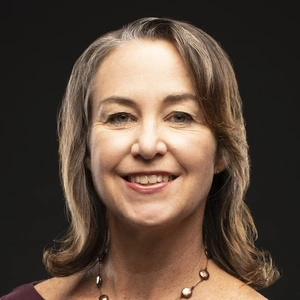
Betsy Rymes is a professor and chair of the Educational Linguistics Division at Penn GSE where she studies how students use language in their everyday lives and how teachers can get students thinking about words and their meaning. She has examined how language, social interaction, institutions, and the internet influence what students learn in schools. She is also an expert on teaching English-language learners.
Subscribe to the Educator's Playbook
Get the latest release of the Educator's Playbook delivered straight to your inbox.
Media Inquiries
Penn GSE Communications is here to help reporters connect with the education experts they need.